






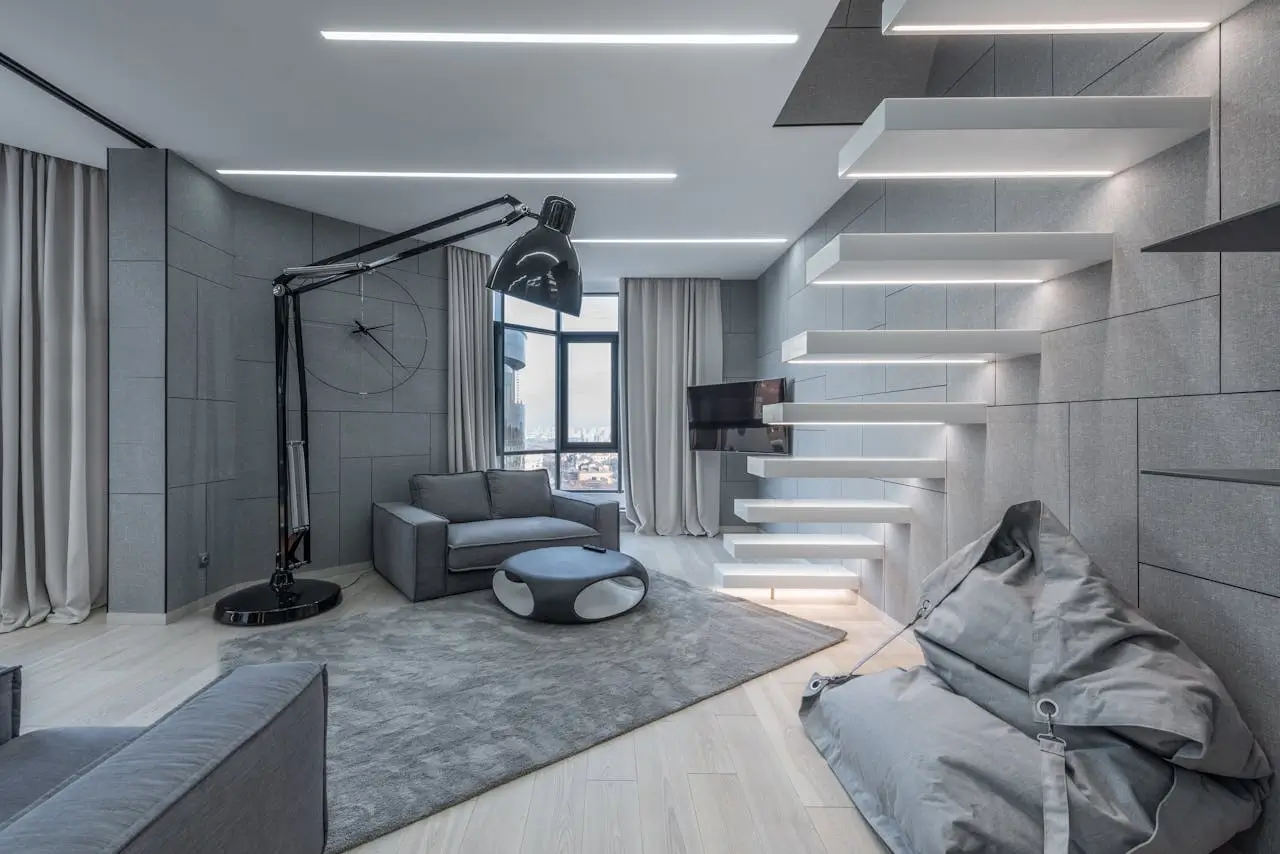
The Quiet Revolution: Harmonizing Tech with a Single Hue
In the world of contemporary design, where the call for “less is more” grows louder, the challenge often lies in integrating the necessary complexity of smart technology without compromising the serene aesthetic. How do you welcome a host of devices-from smart speakers to motion sensors-into a space defined by clean lines and visual calm? The answer lies in mastering the art of monochromatic smart home decor.
A monochromatic smart home decor palette, derived from using varying shades, tints, and tones of a single base color, is the ultimate secret weapon for the minimalist. It creates a seamless, cohesive backdrop that makes clutter disappear and technology melt into the environment. It is a sophisticated, quiet approach to design that ensures every element, even your most advanced smart hub, contributes to an atmosphere of refined tranquility.
At NUVORAHOME, we believe that innovation should never scream for attention; it should simply enhance your well-being. This guide delves into eight essential strategies for achieving a stunning, functional, and deeply harmonious monochromatic smart home decor.
1. Choosing Your Foundation Hue: The Psychology of Monochromatic Smart Home Decor
The first and most crucial step in any successful monochromatic smart home decor design is selecting your base hue. This single color will dictate the mood, energy, and overall psychological impact of your space. It is more than just a preference; it’s an investment in your mental well-being.
- Cool Neutrals (Greys, Blues): These hues, especially soft greys and muted blues, are inherently calming. They are perfect for bedrooms, home offices, and living areas where focus and relaxation are priorities. A grey-scale monochromatic smart home decor scheme offers a sleek, sophisticated canvas for chrome or matte black tech devices to blend in effortlessly.
- Warm Neutrals (Beiges, Taupes, Creams): If you desire warmth and a cocooning effect, consider a palette built around beige or taupe. These colors evoke natural materials and comfort, working beautifully in living rooms or open-plan spaces. Your smart devices, especially those with fabric finishes or light wood accents, will feel instantly approachable and organic.
- Deep Hues (Navy, Forest Green, Charcoal): For a more dramatic, intimate, and luxurious feel, explore deep, moody colors. A charcoal monochromatic scheme, for instance, naturally conceals the black screens and casings of smart TVs, displays, and speakers, turning them into subtle design features rather than visual interruptions.
Practical Tip: The Rule of Three Values
To ensure your monochromatic smart home decor scheme has depth and isn’t flat, design experts recommend choosing at least three values (light, medium, dark) from your chosen hue. For example, a beige base might use cream (light tint) on the ceiling, sand (medium tone) on the walls, and a deep mocha (dark shade) for accent furniture or rugs. This layering is what brings the single color to life.

2. The Power of Tints, Tones, and Textures Over Color
The brilliance of a monochromatic smart home decor palette is that it shifts the design focus from color-matching to tactile and visual layering. When you remove the distraction of multiple hues, texture becomes the new visual language.
You prevent your space from feeling sterile by introducing a variety of materials. Imagine a seating area anchored by a plush velvet sofa (dark shade) next to a rough-cut stone coffee table (medium shade), all set atop a thick, low-pile wool rug (light tint).
These varied textures-soft, hard, smooth, rough-catch the light differently, creating subtle contrast that is essential to the success of monochromatic smart home decor. It’s the difference between a one-dimensional photo and a rich, three-dimensional sculpture.
- Elevating the Look with Materials: Incorporate polished metals, matte finishes, natural woods, linen, and silk. Each material reflects light in its own way, adding another layer of visual interest within your single color family.
- Bringing Technology into the Fold: For your smart devices, think about their finish. A sleek, black glass smart display can be placed next to a textured, dark grey concrete bowl. The high-contrast finish (gloss vs. matte) provides visual punch while maintaining the color discipline.
The Science of Color and Texture in Interior Design – Academic Study
3. Seamless Smart Lighting Integration: The Monochrome Glow
Lighting is the cornerstone of any modern home, but in a monochromatic smart home decor setting, it is the true maestro. Layered lighting allows you to sculpt the subtle shades and textures of your chosen hue, defining dimension and preventing monotony. For a smart home, this is where the magic truly happens.
A well-designed lighting scheme enables your single-color room to transform its mood instantly, simply by adjusting the light’s temperature and intensity.
The Three Layers of Light in Monochromatic Smart Home Decor
- Ambient (The Foundation): Use flush-mounted track lighting or architectural strip lighting in ceiling coves to provide the main, even illumination. Smart bulbs allow you to shift the color temperature from a cool, crisp daylight white (ideal for cleaning or focus) to a warm, inviting 2700K amber glow (perfect for evening relaxation).
- Task (The Function): These lights are for specific activities. Choose fixtures that are sculptural but color-matched to your palette. Consider a slim-profile, matte-black reading lamp over a chair in a dark grey room. For a workspace, Minimalist home office task lighting ensures productivity without aesthetic intrusion.
- Accent (The Art): Accent lighting highlights your favorite textures, art, or architectural features. Use narrow-beam spotlights to graze a textured wall or an elegant Geometric LED wall art installation. The light itself becomes a dynamic element, enhancing the depth of your chosen monochromatic smart home decor color.
4. Concealing the Tech: Aesthetic Camouflage
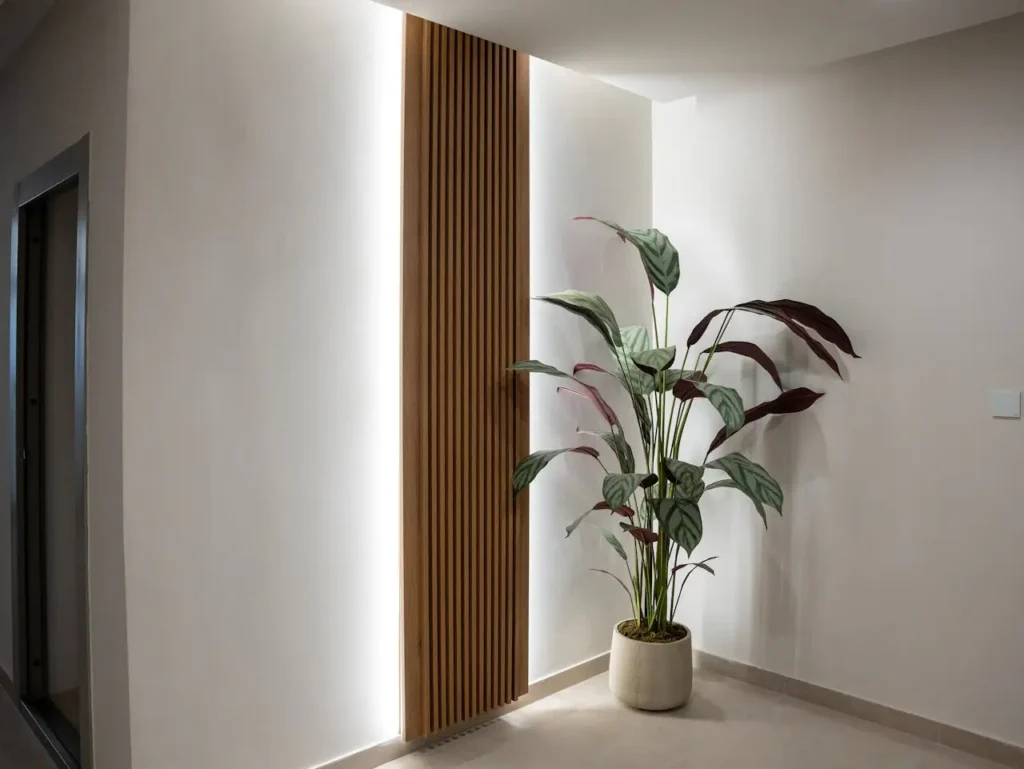
The core conflict in a minimalist smart home is the sheer visibility of technology. In a monochromatic smart home decor space, every visible object has a magnified impact. The solution is strategic camouflage, where the devices themselves become part of the tone-on-tone composition.
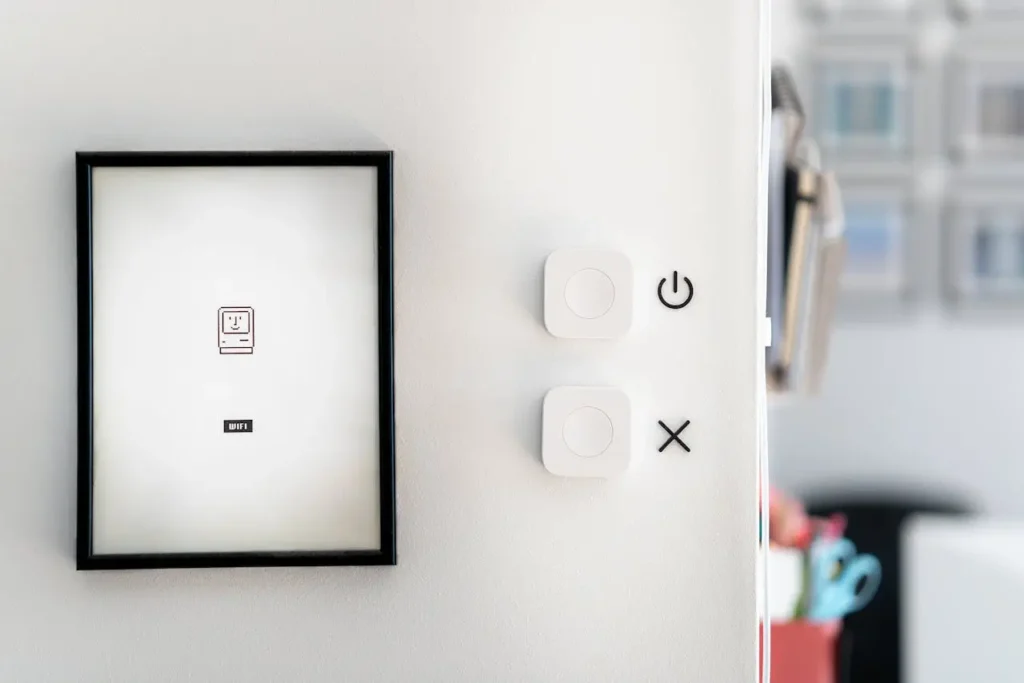
- Wall-Mounted Displays: Smart thermostats, wall controllers, and hubs often come in white or black. Choose the one that matches the nearest wall shade. A white-cased thermostat on a light-grey wall is less noticeable than a stark black one.
- Speaker Placement: Larger speakers can be tucked into built-in shelving and covered with acoustic fabric in a matching shade. Smaller smart speakers often come in fabric finishes (e.g., charcoal, sand) that can be deliberately chosen to match the surrounding furniture or surface.
- Managing Cables: Absolutely essential. No amount of thoughtful color-matching can compensate for messy, visible cables. Run cables inside walls, use cord covers painted to match the baseboard, or use the freedom of Cordless lamps living room corners to eliminate the issue entirely in key areas.
The New Rules for Hiding Technology in High-Design Homes – Major Design Publication
5. Automation as Ambiance: Setting the Scene with Technology
The greatest benefit of monochromatic smart home decor is the feeling it creates-a feeling that should be automated. Smart technology moves beyond mere function to become an invisible ambiance curator.
Use smart sensors and scenes to manage the atmosphere based on time, activity, or even your internal mood. Your single hue room can transform from a bright, focused workspace to a warm, restful sanctuary with a single voice command or tap.
- The ‘Unwind’ Scene (Example): Triggered at sunset, this scene could: dim the ambient lighting to 30% intensity and 2200K color temperature, activate a gentle scent from a Fireplace aroma diffuser benefits in a dark tone, and automatically lower motorized blinds (in a color-matched fabric).
- The ‘Focus’ Scene (Example): For a home office in a blue/grey monochromatic palette, this scene would: set the task lighting to 80% intensity and 4000K (cool white), raise the air quality by activating a subtle, aesthetic Aesthetic humidifier mindful living, and turn off all distracting accent lights.
By automating these transitions, you ensure the sophisticated mood of your monochromatic design is always effortless, never jarring.
6. Curating Focal Points: When Contrast is Necessary
A true monochromatic smart home decor scheme needs moments of intentional contrast to prevent it from dissolving into visual boredom. These focal points are not deviations from the color discipline; they are simply the darkest shades or most unique textures within the palette, amplified.
In a minimalist home, the objects you choose to highlight must be worthy of the attention they receive.
- The Single, Saturated Element: Use a single, large piece of art or a sculptural furniture item in the most saturated vagy darkest version of your chosen color. For a light beige scheme, this could be a large, deeply stained walnut bookshelf or a dramatic, floor-to-ceiling drapery in a rich cocoa brown.
- Metallics as Punctuation: Metallics-matte black, brushed chrome, or a soft gold-provide necessary punctuation and shine. These are considered neutral accents that do not break the monochromatic rule. Use them sparingly on Smart lamp wireless charging bedside, cabinet hardware, or frame accents.
- The Green Pop: Plants and natural greenery are the one exception that universally enhances a monochromatic design. Their organic texture and vibrant color provide necessary vitality. They are living design elements that provide a soft contrast while reinforcing the sense of well-being inherent in minimalist living.
Psychology of Monochromatic Color: Impact on Mood and Focus – Industry Research Report
7. Extending Monochromatic Harmony Beyond the Walls
A masterful monochromatic smart home decor plan considers the entire 360-degree environment, extending the color discipline to utility areas and even the ceiling. This cohesion is what creates the illusion of seamless space and refined elegance.
- Ceiling and Trim: Avoid the typical stark white ceiling. Instead, use a lighter tint (one or two steps lighter) of your wall color on the ceiling and trim. This subtle difference eliminates harsh lines, making the room feel taller and more enveloped in the color.
- Flooring: The floor should either serve as the darkest shade in your palette (e.g., dark walnut floors in a warm neutral scheme) or a medium tone that grounds the room. Continuously flowing materials, like polished concrete or large-format tile, reinforce the clean, unbroken aesthetic.
- Coordinated Accessories: Even the most functional accessories must adhere to the palette. Use matching soap dispensers, storage boxes, and trash receptacles. When everything is in the same color family, items that would normally feel like clutter instead become cohesive, textured elements of the design.
8. Prioritizing Form Over Function in Device Selection
In a truly minimalist and monochromatic smart home decor setting, the aesthetic form of a smart device must be weighted equally with its function. A clunky, brightly colored piece of tech can instantly shatter the serenity you’ve carefully cultivated.
Choose devices that are specifically designed with modern interiors in mind:
- Minimalist Smart Clocks: Select clocks that feature clean, simple displays and casings in matte black, white, or a metal finish that complements your chosen neutral base. Avoid busy interfaces or excessive branding.
- Discreet Sensors: Opt for flush-mounted or nearly invisible smart sensors (motion, temperature) that can be painted or discreetly positioned on window or door frames where they merge with the architecture.
- Sculptural Gadgets: When a device must be visible, let it be an artistic addition. Look for smart lamps, speakers, or chargers that boast architectural shapes-geometric lines, spheres, or slim cylinders-so they function as sculpture first and technology second.
The philosophy behind monochromatic smart home decor is ultimately about simplifying your visual world so you can focus on your inner world. By embracing a single hue and choosing technology that respects the design, you create a home that is not just beautiful, but deeply harmonious-a true sanctuary enhanced by invisible, intelligent technology.
Ready to begin your journey toward unparalleled serenity and sophisticated living? Explore our curated collections designed to bring clean lines and intuitive technology to your refined monochromatic smart home decor space.