


7 Japandi Decor Minimal Lighting Essentials for a Serene, Sophisticated Home
The modern design world has seen an extraordinary convergence of two powerful, enduring styles: Japanese tranquility and Scandinavian warmth. This fusion is known as Japandi. It’s more than just an aesthetic; it’s a philosophy that champions simplicity, functionality, and the beauty of natural materials.
At its core, Japandi is a study in complementary contrasts the sleek lines of Japanese design meeting the cozy textures of Nordic Hygge. Crucially, the element that ties this entire philosophy together, shaping the mood and emphasizing the form, is lighting. The way light is introduced and controlled is paramount to achieving this perfect balance.
You can’t achieve genuine Japandi tranquility with overly bright or visually cluttered fixtures. This is where the concept of Japandi decor minimal lighting comes into focus. It demands fixtures that are as much functional light sources as they are sculptural pieces of art, embodying restraint and natural beauty.
Join NUVORAHOME as we explore the seven essential principles and fixtures necessary to master Japandi decor minimal lighting and transform your home into a sanctuary of sophisticated calm.
The Philosophy: Why Minimal Lighting is Central to Japandi
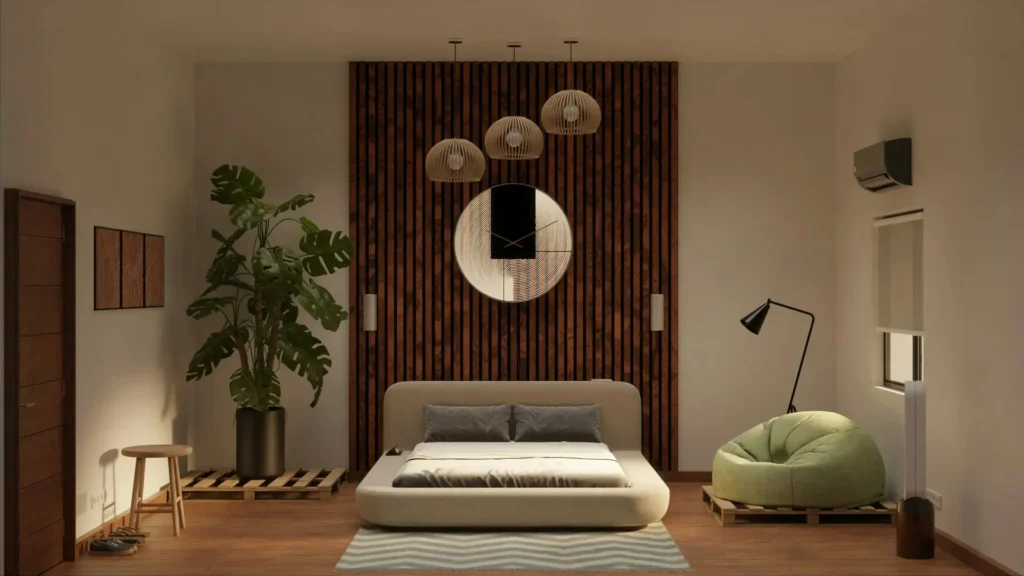
Japandi decor minimal lighting is deeply rooted in the concept of Wabi-Sabi, the appreciation of the transient and imperfect beauty of life, and Scandinavian functionalism. Both reject excess in favor of a curated, meaningful existence. When applied to lighting, this means fixtures must serve a clear purpose without drawing undue attention to themselves.
The goal is not to illuminate the whole room uniformly, but to create pools of light that highlight texture, define space, and foster intimacy.
Minimal lighting ensures that the space remains uncluttered, allowing the natural materials wood, bamboo, ceramic to take center stage. Light becomes a tool to enhance the shadows and textures, not to wash them away. This purposeful use of light aligns perfectly with the sophisticated and approachable brand voice of NUVORAHOME.
Understanding the Japandi Color Palette
The colors associated with this style muted earth tones, soft grays, calming blues, and natural wood require warm lighting to truly come alive. Cool, stark white light (high Kelvin) clashes with the inherent warmth of the materials. Japandi decor minimal lighting therefore necessitates a warmer color temperature (2700K to 3000K) to create that comforting, inviting ambiance.
This focus on the quality of light is what distinguishes a truly minimalist Japandi decor minimal lighting space from a merely empty one. It’s a deliberate design choice that enhances well-being.
The Woven, Natural Statement Piece
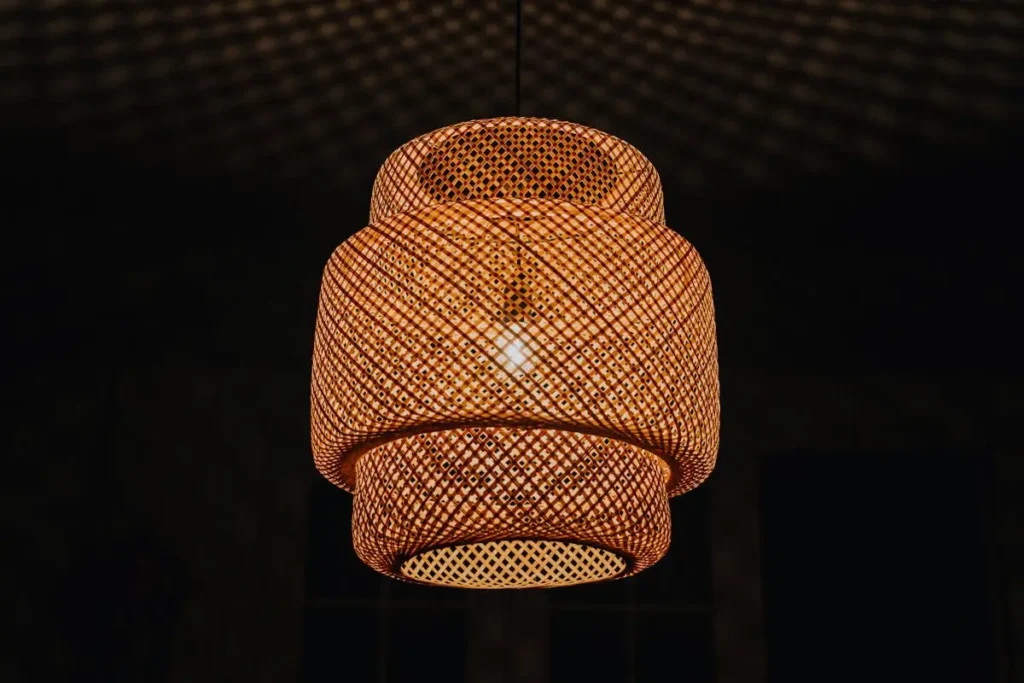
The core of Japandi aesthetic lies in its celebration of natural, untreated materials. Lighting fixtures often become the primary vehicle for introducing these textures.
Think of fixtures crafted from bamboo, rattan, delicate rice paper, or woven wood veneers. These materials diffuse light softly and evenly, avoiding harsh glare. A large, simple pendant light made of a natural weave, suspended over a dining table or living room area, perfectly captures this essence. It is a single, impactful statement that remains fundamentally “minimal” due to its organic form and soft output.
These pieces embody the craftsman’s touch, offering a feeling of grounding and connection to nature that is vital for mindful living. We highly recommend exploring pendant options that use natural fibers for an immediate Japandi touch Woven & Natural Pendant Lights .
The Art of Layered & Diffused Ambiance
True Japandi decor minimal lighting is never about a single, overhead light source. It relies entirely on layering different light types to build depth and warmth.
- Ambient Light: Provided by the primary fixture, often diffused (like the natural pendant) to provide a gentle base glow.
- Task Light: Directed light for function (reading, cooking), typically via small, focused lamps or integrated LED strips.
- Accent Light: Used to highlight specific architectural features, art, or natural textures in the space.
This layering creates dynamic contrast, making the space feel larger and more intentional. It’s the difference between merely seeing a room and truly experiencing it. For a deeper understanding of how to implement this technique, we refer you to the principles of successful layered lighting design Principles of Layered Residential Lighting .
Integrated Smart Lighting for Seamless Lines
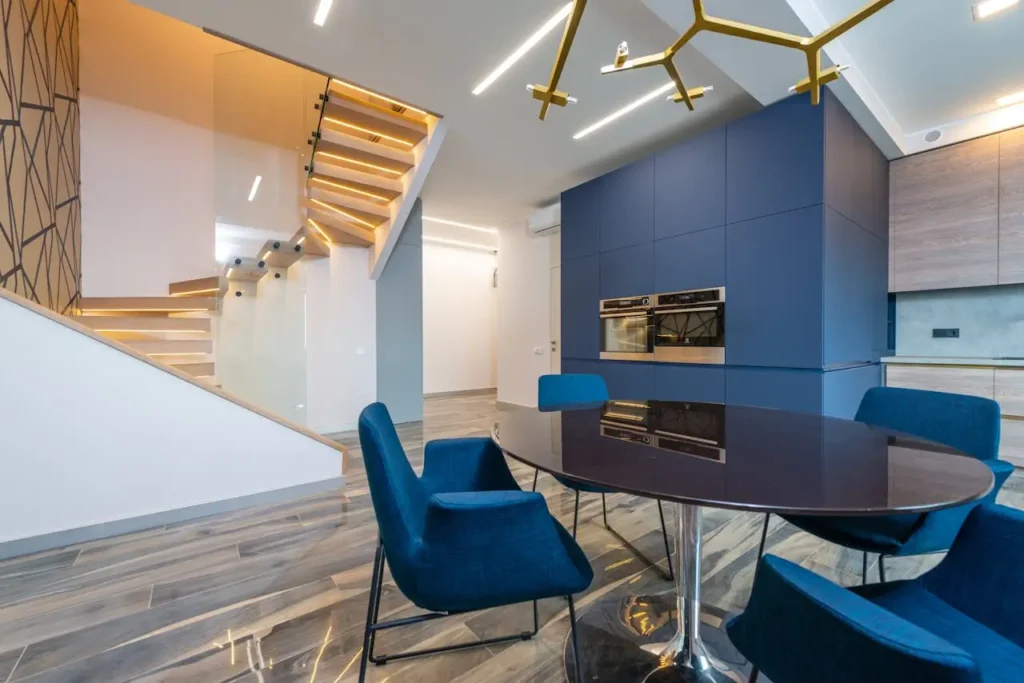
Modern Japandi decor minimal lighting is not incompatible with smart technology; in fact, it embraces it for ultimate functionality and minimal visual intrusion. Smart lighting allows for the complete removal of unsightly switches, dimmers, and cords.
The key to successful integration is hiding the technology. Think of recessed, trimless lighting, under-cabinet LED strips, or linear track lighting that disappears into the architecture. Smart controls allow you to seamlessly adjust the color temperature and intensity, shifting the room’s mood from a focused 3000K daylight simulation to a relaxing 2700K sunset hue, all from a discreet voice command or app.
A minimalist smart home relies on lighting automation to simplify the daily routine, perfectly aligning with the Japandi mandate for uncomplicated living. Our collection of integrated smart fixtures includes many discrete options ideal for this style Integrated Smart Home Lighting .
Architectural Illumination & Hidden Sources
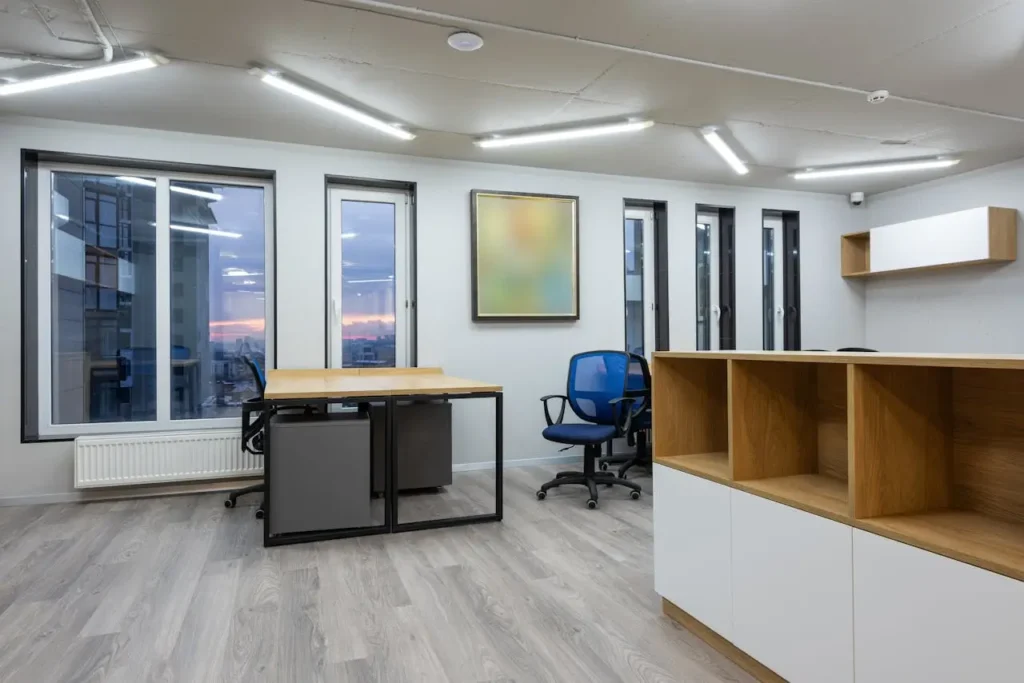
In the Japandi aesthetic, the light source is often secondary to the effect of the light. This is achieved through architectural illumination. Instead of a decorative lamp, the wall, ceiling, or floor itself becomes the source.
- Cove Lighting: Recessed LED strips hidden in ceiling coves wash walls with light, enhancing the height of a room without a visible fixture.
- Wall Grazing: Lights positioned close to textured surfaces (like exposed brick or wood panels) dramatically emphasize the material’s grain and shadow play.
- Minimalist Spotlights: Small, trackless directional spots can be used to highlight a single ceramic vase or a piece of wall art.
This technique is especially effective for creating the moody, contemplative atmosphere crucial to Japandi decor minimal lighting. The focus shifts to the light and shadow, not the object producing them.
Portable Cordless Lamps and Flexible Functionality
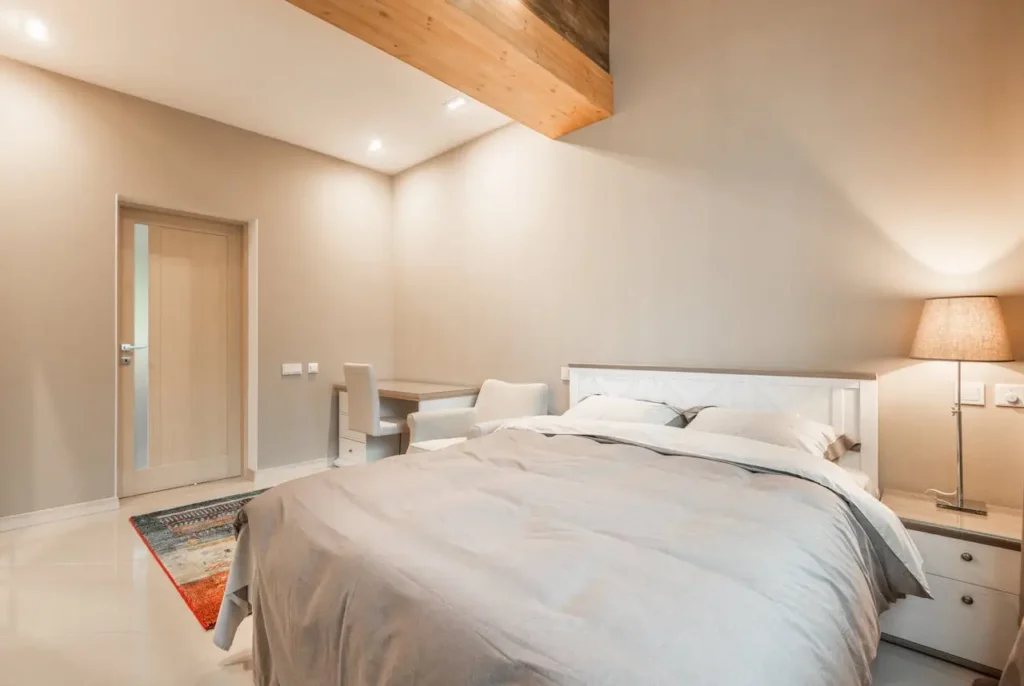
The Japandi decor minimal lighting approach values adaptability and ease of use. Cordless, rechargeable lamps are a perfect embodiment of this functionality. They allow you to instantly change the function of a space without being tethered to a wall outlet.
Need a gentle reading light on a balcony for an evening of quiet reflection? Want to illuminate an awkward, cable-free living room corner? A small, sculptural cordless lamp provides the perfect solution.
These fixtures typically feature clean lines, simple materials like metal or ceramic, and a diffused light head. They are often low to the ground, echoing the Japanese tradition of living closer to the floor. Discover the flexibility of our exclusive line of cordless table lamps designed for minimalist spaces Sculptural Cordless Lamps .
Essential 6: The Elegance of Paper and Fabric Diffusers
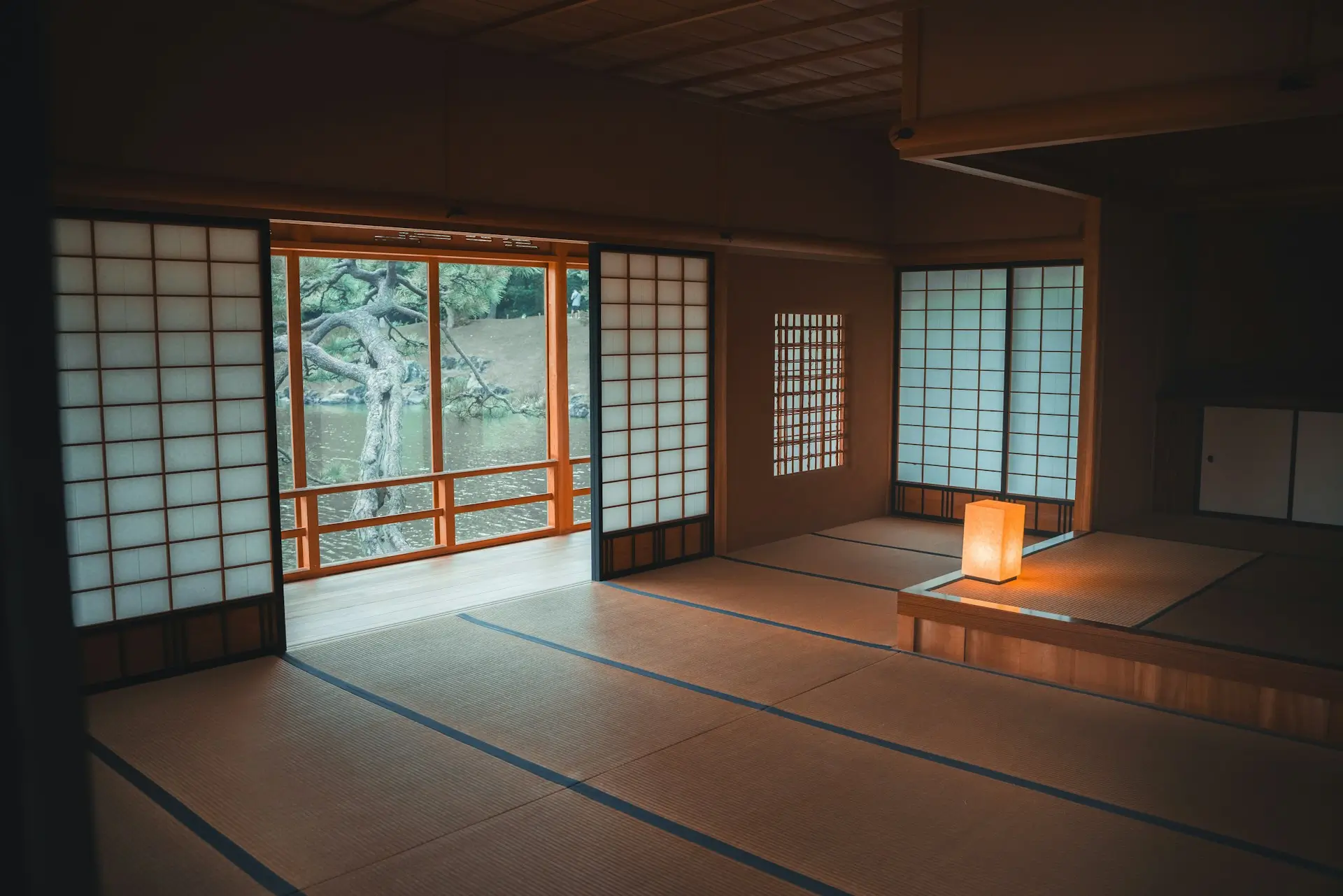
The most iconic expression of Japandi decor minimal lighting is the paper lantern. Drawing inspiration directly from the traditional Akari lamp, modern paper and linen fixtures provide the softest, most atmospheric light possible.
The translucent material scatters the light, virtually eliminating hard shadows and filling the room with a gentle, milky glow. Look for geometric shapes, cylinders, spheres, or simple block forms that use internal LED sources to ensure longevity and energy efficiency.
This style provides a beautiful contrast to the harder, clean lines of modern furniture, injecting a crucial element of delicate texture and softness. For guidance on sourcing sustainable natural materials, we recommend consulting reliable industry reports Sustainable Materials in Contemporary Design .
Low Profile, High Impact Floor and Table Lamps
Japandi decor minimal lighting design often features low-slung, substantial furniture, low sofas, tansu-style storage, and low beds. Lighting must respect this horizontal emphasis.
Floor lamps should be tall and linear, often with a simple cylindrical shade or an adjustable arm that allows the light source to be positioned precisely where it is needed, without dominating the space.
Table lamps should be small, weighty, and simple in form think of ceramic bases or stone blocks. They should feel grounded. The light they provide should be directed downwards or heavily diffused, serving as a subtle beacon rather than a floodlight.
The simplicity of these lamps means they act as functional art, their form speaking volumes while their light remains restrained. Enhance your minimalist setup with our curated collection of low-profile geometric lamps Minimalist Geometric Table Lamps . You can also pair these lighting features with a sleek, minimalist smart clock to complete the serene aesthetic Minimalist Smart Clocks .
Integrating Japandi Lighting into Your Well-Being
The careful curation of Japandi decor minimal lighting is ultimately an act of prioritizing well-being. By simplifying your environment, you reduce visual and mental clutter. By introducing warm, layered, and purposeful light, you create a space that is conducive to relaxation, focus, and restoration.
NUVORAHOME believes that true functional design must serve the mind as much as the eye. The deliberate choice to use lighting that is both beautiful and functional contributes directly to a healthier, more mindful lifestyle.
To fully embrace the philosophy of intentional design, it can be helpful to explore broader resources on the connection between home environment and psychological well-being Impact of Home Environment on Mental Health .
Start your transformation by selecting one key area, the bedroom or a reading nook and applying the principles of layered, natural, and low-profile Japandi decor minimal lighting. The subtle shift in ambiance will be profound.